CRM & LEAD
FLEX HR system is a software application that helps businesses manage their human resources activities, such as recruitment, hiring, training, payroll, benefits, and performance management. The system can also help with employee retention, attendance tracking, and compliance with government regulations. With an HR management system, businesses can automate many of their HR processes, saving time and money while improving the overall efficiency of their HR operations.

Contact Management
- Contact Management: Centralized storage and organization of contact details and interaction history.
- Core Functions:
- Data Storage: Save contact information, including names, emails, and phone numbers.
- Interaction Tracking: Record calls, emails, and meetings for reference.
- Automation: Streamline communications with reminders and templates.
- Lead Management:
- Capture: Gather leads from various sources.
- Qualify: Assess potential customers.
- Nurture: Maintain engagement through targeted efforts.
- Convert: Turn leads into customers, optimizing sales and marketing.
Lead Management
- Lead Management Overview: Manage leads effectively to drive conversions and enhance the sales pipeline.
- Key Processes:
- Capture: Collect leads from various channels (e.g., website, events, ads).
- Qualify: Evaluate lead potential based on criteria like interest and fit.
- Nurture: Build relationships using email campaigns, personalized content, and regular communication.
- Convert: Guide nurtured leads through the sales funnel to become customers.
- Goals:
- Engage leads consistently.
- Optimize sales efforts.
- Enhance customer acquisition efficiency.

Sales Forecasting
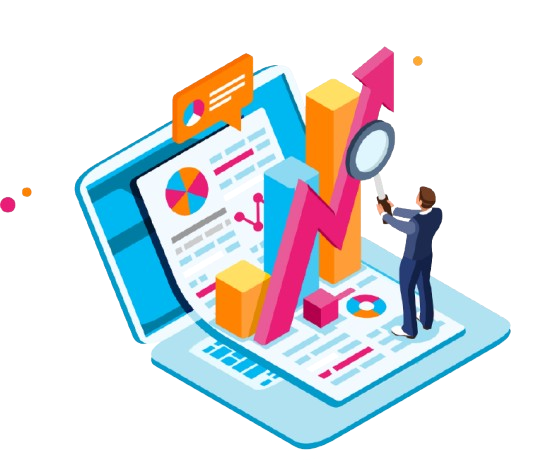
- Sales Forecasting Overview: Predict future sales based on historical data, market trends, and pipeline analysis to support strategic planning.
- Steps to Forecast:
- Analyze Historical Data: Identify trends, seasonality, and patterns.
- Evaluate Influencing Factors: Consider marketing efforts, economic conditions, and industry trends.
- Collaborate with Teams: Leverage sales team insights for accurate expectations.
- Assess Pipeline: Analyze lead status and opportunities for realistic projections.
- Benefits:
- Enhance decision-making.
- Allocate resources effectively.
- Align goals with market dynamics.
Sales Data & Analytics
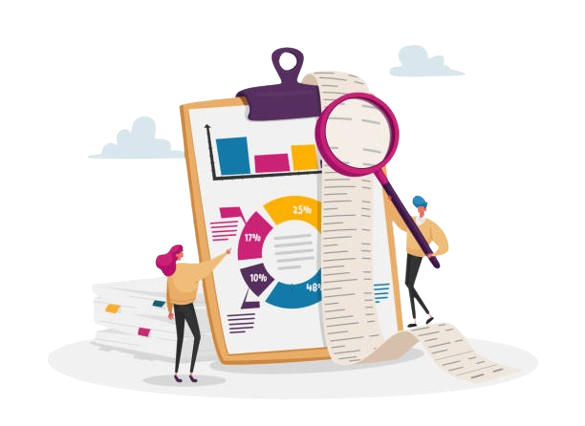
- Sales Data Collection: Gather data from POS systems, CRM software, e-commerce platforms, and other sources.
- Data Storage: Use secure databases, data warehouses, or cloud storage to organize and protect sales data.
- Data Analysis Tools: Employ analytics tools to process sales data, identify trends, and generate insights.
- Key Metrics:
- Revenue growth
- Customer acquisition rates
- Average transaction value
- Applications:
- Optimize sales strategies.
- Enhance customer targeting.
- Forecast future performance.
Marketing Automation
- Email Marketing Automation: Send targeted, personalized campaigns like welcome emails, follow-ups, and abandoned cart reminders.
- Lead Generation: Use automated tools to capture leads from websites, landing pages, or social media.
- Lead Nurturing: Set up sequences to deliver relevant content, keeping prospects engaged until they’re ready to purchase.
- Campaign Analytics: Track performance metrics like open rates, click-through rates, and conversions to optimize strategies.
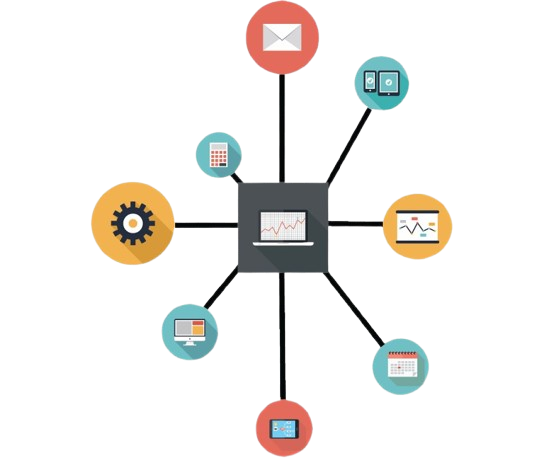
- Integration: Combine with CRM systems for seamless management of leads and customer data.
Sales Force Automation
- Customer Data Management: Centralized storage of customer and prospect details, communication history, and lead status.
- Sales Pipeline Tracking: Monitor opportunities across stages like lead qualification, proposal, quoting, and deal closure.
- Task Automation: Automate repetitive tasks like follow-ups, scheduling, and data entry to boost efficiency.
- Performance Analytics: Analyze sales metrics to identify bottlenecks and improve processes.
- Integration: Seamless connection with CRM tools for streamlined sales operations and better customer insights.

Campaign Management
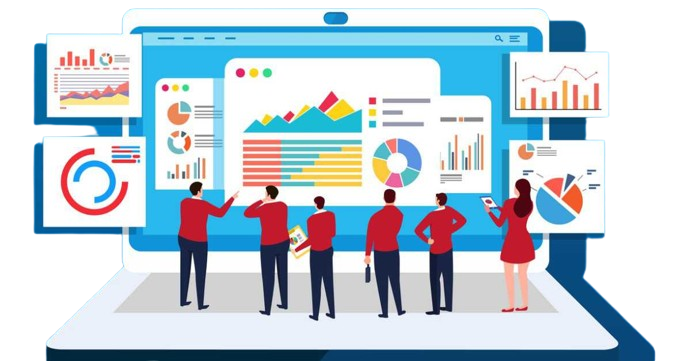
- Define Campaign Goals: Set measurable objectives like lead generation, sales growth, or product promotion.
- Target Audience Segmentation: Identify and categorize audiences for personalized outreach.
- Plan and Budget: Develop strategies, choose channels, and allocate resources effectively.
- Execution and Monitoring: Launch campaigns, track KPIs (e.g., click-through rates, conversions) with real-time analytics.
- Optimization: Adjust strategies based on performance insights to maximize ROI and achieve goals.
Improve Customer Service
- Continuous Improvement: Regularly update strategies based on feedback and evolving customer needs.
- Empower Representatives: Enable quick decision-making and issue resolution without excessive approvals.
- Use Advanced Tools: Implement customer service software for streamlined interaction management.
- Training Programs: Provide ongoing training to enhance team skills and empathy.
- Proactive Engagement: Anticipate customer needs and resolve potential issues before they arise.
- Measure Performance: Use metrics like customer satisfaction scores (CSAT) to evaluate and refine processes.


Email Client Integration
- Calendar Integration: Schedule meetings, appointments, and events seamlessly from your email client.
- Contact Management: Import, organize, and update contact lists for easier communication.
- Task Automation: Automate email responses and follow-ups with integrated workflows.
- Shared Mailboxes: Collaborate with teams by accessing shared inboxes for better coordination.
- Search and Filter: Quickly locate emails, attachments, or conversations with advanced search features.
- Security Features: Use encryption, spam filtering, and access controls for secure communication.
Workflow and Approval
- Workflow Design: Identify tasks, decisions, and interactions using tools like flowcharts or workflow software.
- Task Assignment: Define roles and assign responsibilities to ensure accountability.
- Automation: Streamline repetitive processes with automated workflows for efficiency.
- Approval Steps: Include checkpoints where tasks or documents require validation by designated personnel.
- Monitoring: Use real-time tracking to monitor progress and address bottlenecks.
- Continuous Improvement: Regularly review and refine workflows to enhance productivity and outcomes.
Sales Performance Management
- Set Sales Objectives: Define clear targets such as revenue, market share, and customer acquisition goals.
- Develop Sales Plans: Create strategies based on target markets, sales territories, and go-to-market approaches.
- Define KPIs: Use KPIs like revenue, quotas, conversion rates, and retention to measure success.
- Performance Monitoring: Regularly track the performance of sales teams and individuals against set targets.
- Sales Training: Provide ongoing training and support to improve the skills and effectiveness of your sales team.
- Incentive Programs: Implement rewards or bonuses based on meeting or exceeding performance goals.
Reporting and Analytics
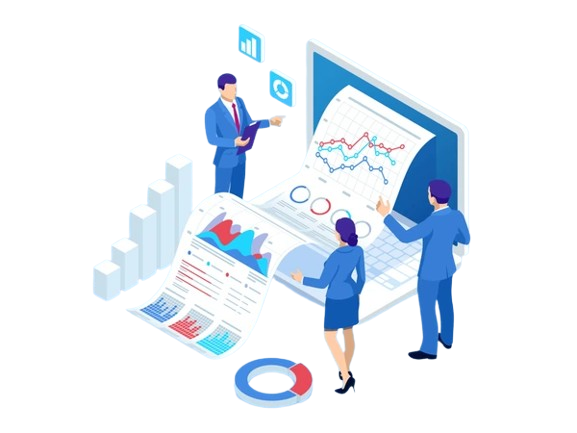
- Reporting: Involves organizing and presenting data in a clear format to convey specific operational, performance, or activity information.
- Key aspects: Focus on clarity, relevance, and accuracy. Used for decision-making and performance tracking.
- Analytics: Explores data to uncover trends, patterns, and insights that support data-driven decisions.
- Key aspects: Utilizes statistical and computational methods. Aims for deeper understanding and actionable insights beyond basic reporting.
- Data Visualization: Presenting analytics results using charts, graphs, and dashboards to make insights easier to understand.
- Helps in identifying key trends and supporting data-driven decisions.
- Real-time Analytics: Provides up-to-date insights and trends that help businesses react promptly to changing conditions.
Integration with Accounting Systems
Integration with Accounting Systems involves connecting various business systems (e.g., CRM, ERP, payroll, and sales platforms) with accounting software for seamless financial data exchange. Key benefits include:
- Automation: Reduces manual data entry, ensuring more accurate and efficient data processing.
- Data Consistency: Ensures that financial information is up-to-date and consistent across all systems.
- Improved Reporting: Facilitates easier generation of financial reports and real-time access to financial data.
- Compliance: Helps ensure tax compliance by maintaining accurate records and automated updates.
- Cost Savings: Streamlines operations, reducing administrative costs and the risk of errors.
Dashboard View
- Lead Status Overview: Visual representation of leads in various stages (e.g., New, Contacted, Qualified, Converted).
- Sales Performance Metrics: Track key metrics like conversion rates, sales funnel stages, and revenue targets.
- Customer Interaction Logs: Quick access to recent interactions with customers and leads.
- Pipeline Forecasting: Visual indicators of projected revenue based on current leads and opportunities.
- Task & Appointment Reminders: Display upcoming tasks, meetings, and follow-ups with clients.
- Lead Source Analysis: Insights into which marketing channels are driving the most leads and conversions.
- Real-Time Analytics: Track KPIs like customer acquisition cost, average deal size, and sales cycle length.