FOOD PRODUCTION
FLEX Kitchen is the beating heart of any restaurant and catering industry. It is the place where meals are meticulously planned, prepared, and cooked for customer consumption. It is the specialty of the chef to ensure that each dish is crafted with the utmost care and attention to detail, while also maintaining accurate costings of food and designing the menu accordingly and hotels can better manage their customer needs and maximize their revenue.
Production control
Production Control ensures efficient management of manufacturing processes. Key components include:
- Production Planning: Managers determine what to produce, the quantity, and timing. It involves demand forecasting, goal setting, and schedule creation to align production with market needs.
- Inventory Management: Optimal inventory levels for raw materials, work-in-progress (WIP), and finished goods are maintained to prevent shortages or overstock.
- Process Monitoring: Regular checks ensure adherence to production schedules and quality standards, allowing quick adjustments to meet objectives efficiently.
Production planning
Production Planning ensures seamless manufacturing by organizing resources, materials, equipment, and personnel to meet production goals efficiently.
- Core Objectives: Ensure timely and budget-friendly production while optimizing resources, reducing waste, and boosting productivity.
- Key Considerations: Demand forecasting, inventory management, production scheduling, and quality control are pivotal.
- Adaptability: Incorporates market dynamics and customer preferences, enabling responsive adjustments to maintain efficiency and competitiveness in changing conditions.
Effective production planning is essential for achieving operational excellence and meeting customer demands.

Costing by Item/Package
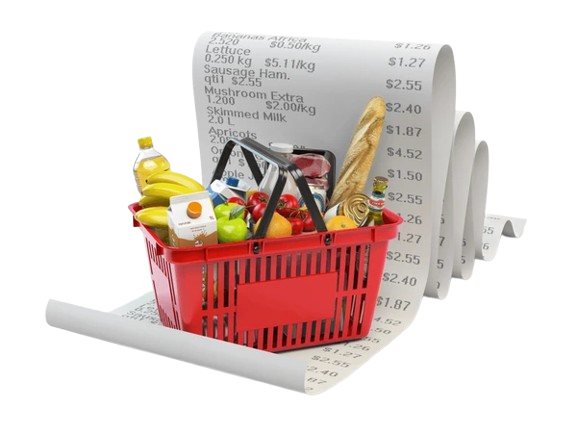
- Purpose: Helps businesses analyze the costs of individual items or packages to set competitive prices and optimize resource use.
- Key Benefits: Provides insights into production and selling costs, aiding in profitability analysis and financial planning.
- Application: Involves allocating direct and indirect costs to each product or package, ensuring accurate cost assessment for pricing and budgeting decisions.
Menu recipes/Template
- Title: Highlight the event or restaurant name at the top.
- Introduction: Add a brief tagline or description (e.g., “A Taste of Elegance”).
- Sections:
- Appetizers: List starters with descriptions and prices.
- Main Courses: Include entrée options with portion sizes.
- Desserts: Feature sweet dishes or specialty treats.
- Beverages: Offer drinks with non-alcoholic and alcoholic choices.
- Customization: Include icons for dietary preferences (vegan, gluten-free).
- Design: Use a clean layout with appealing fonts and images.
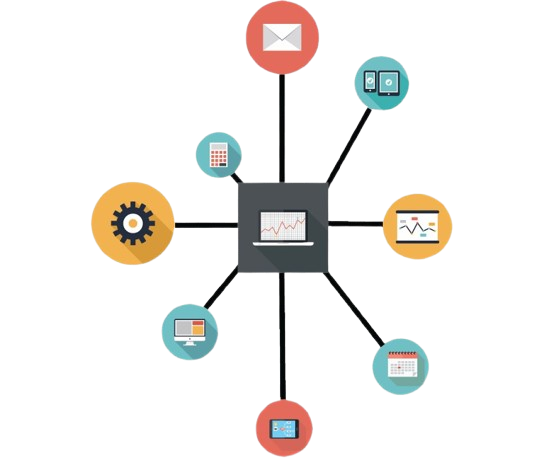
Integrated request system
- Submission Portal:
- A centralized, user-friendly platform for submitting requests.
- Accessible across devices for flexibility (e.g., desktops, smartphones).
- Notifications & Alerts:
- Automated updates for request submission, actions needed, or completion.
- Customizable settings for email, SMS, or in-app notifications.
- Tracking & Status Updates:
- Real-time status visibility for users and administrators.
- Logs of request progress and resolution timelines.
- Integration:
- Seamlessly links with other systems (e.g., HR, IT, or CRM) for efficiency.
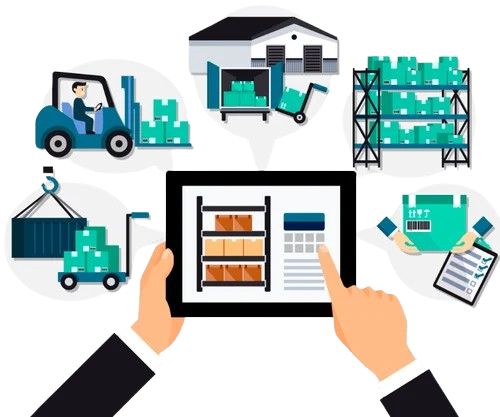
Integration with stocks control
- Streamlined Data Flow:
- Connects stock control with other systems (e.g., sales, accounting).
- Reduces manual data entry and errors.
- Accurate Stock Levels:
- Real-time updates on inventory changes for precise tracking.
- Supports better decisions in restocking and order fulfillment.
- Improved Forecasting:
- Facilitates data analysis for demand trends.
- Minimizes stockouts and overstocking.
- Enhanced Efficiency:
- Automation saves time and improves operational workflows.
- Aligns inventory with business needs seamlessly.
Efficient holding of bill of materials and range
- Standardized BOM Templates:
- Use consistent formats for components and assembly details.
- Simplifies data management and cross-product comparisons.
- Version Control System:
- Tracks revisions and maintains modification history.
- Enhances accuracy and accountability in updates.
- Centralized Storage:
- Keep all BOMs in a unified system for quick access.
- Supports collaboration and reduces duplication.
- Range Management:
- Clearly define material ranges and thresholds.
- Facilitates inventory control and production planning.
Provisions and treatment of stock exception
- Provisions:
- Represent future liabilities or potential losses.
- Examples include provisions for bad debts, obsolescence, or damaged stock.
- Stock Exception Management:
- Identify and categorize exceptions like expired, damaged, or surplus inventory.
- Assess potential impact and determine necessary provisions.
- Accounting Treatment:
- Record provisions as liabilities and corresponding expenses.
- Adjust inventory valuation to reflect write-offs or markdowns.
- Regular Review:
- Periodically assess exceptions to ensure accurate financial reporting.
- Revise provisions based on updated estimates or resolutions.


Configurable recipes and properties
- Definition: Configurable recipes and properties allow for dynamic adjustments to predefined templates or processes. These are widely used in software, manufacturing, or food industries.
- Applications:
- In manufacturing, recipes define material combinations and steps, while properties customize production for specific requirements.
- In software, configurable properties adjust system behaviors or outputs based on user or business needs.
- Benefits:
- Flexibility to adapt to varying demands.
- Enhanced efficiency by reducing the need for multiple fixed templates.
- Example: A recipe for a product can be adjusted to include optional components or alternative materials based on client specifications.
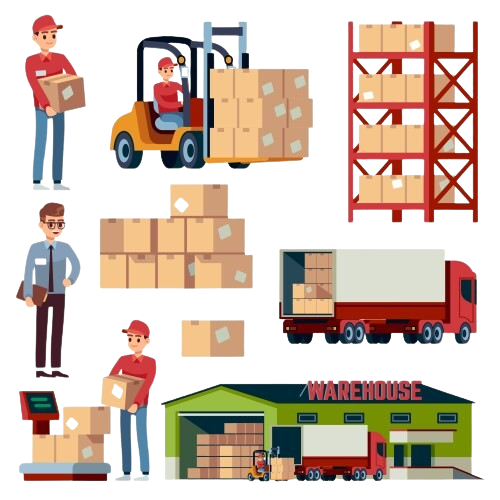
Realtime Inventory
Definition:
Real-time inventory involves continuously monitoring and updating stock levels as transactions occur, using advanced technology and software systems.
Key Benefits:
- Enhanced Accuracy: Minimizes discrepancies between physical and recorded inventory.
- Operational Efficiency: Improves purchasing, restocking, and order fulfillment decisions.
- Cost Reduction: Prevents stockouts and overstocking, reducing storage and loss expenses.
- Retail: Ensures product availability for customers.
- Manufacturing: Maintains optimal raw material levels for uninterrupted production.
- E-Commerce: Synchronizes stock across multiple platforms.

Workflow and Approval
Workflow is the sequence of tasks or activities needed to achieve a specific goal within an organization. It defines how work progresses logically and systematically, varying by department or task. Key components of workflows include task dependencies, responsible parties, deadlines, and approval processes.
Streamlining workflows improves efficiency, reduces errors, and ensures consistency. Understanding workflows enables better decision-making, quicker task completion, and easier tracking of progress toward achieving business objectives. Effective workflows are crucial for operational success.
Waste Control Management
- Waste Control Management involves:
- Sorting, shredding, composting, or incineration to reduce waste volume.
- Recovering valuable materials for reuse.
- Ensuring safe disposal of waste.
- Recycling includes:
- Collecting and processing materials like paper, plastics, glass, and metals.
- Reusing materials to create new products.
- Conserving resources and reducing energy consumption.
- Decreasing the demand for virgin materials.
- Proper waste management and recycling help improve environmental sustainability.
Reporting and Analytics
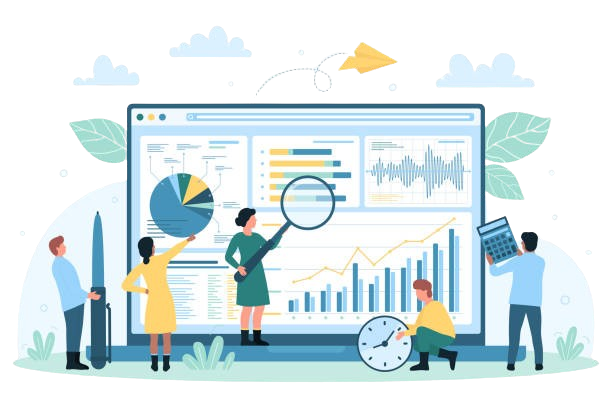
- Reporting and Analytics involve:
- Gathering data from various sources such as customer interactions, financial transactions, and operations.
- Transforming raw data into valuable insights for decision-making.
- Supporting strategic and tactical decisions in business operations.
- Enabling better understanding of performance, trends, and customer behavior.
- Reporting and analytics are vital in helping businesses make informed decisions and stay competitive.
Dashboard View
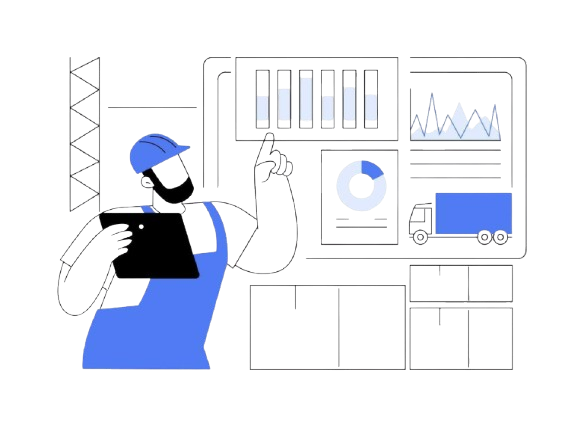
- Dashboard View for Food Production includes:
- Visual representation of KPIs and metrics like production efficiency, waste rates, and quality control.
- Key metrics might include:
- Production Volume: Amount of food produced in a given period.
- Production Efficiency: Rate of output relative to input.
- Waste Percentage: Proportion of materials wasted in production.
- Inventory Levels: Current stock of raw materials and finished goods.
- Quality Control: Defects or non-conformance rates.
- A well-designed dashboard helps monitor and optimize food production processes, ensuring efficiency and quality control.