




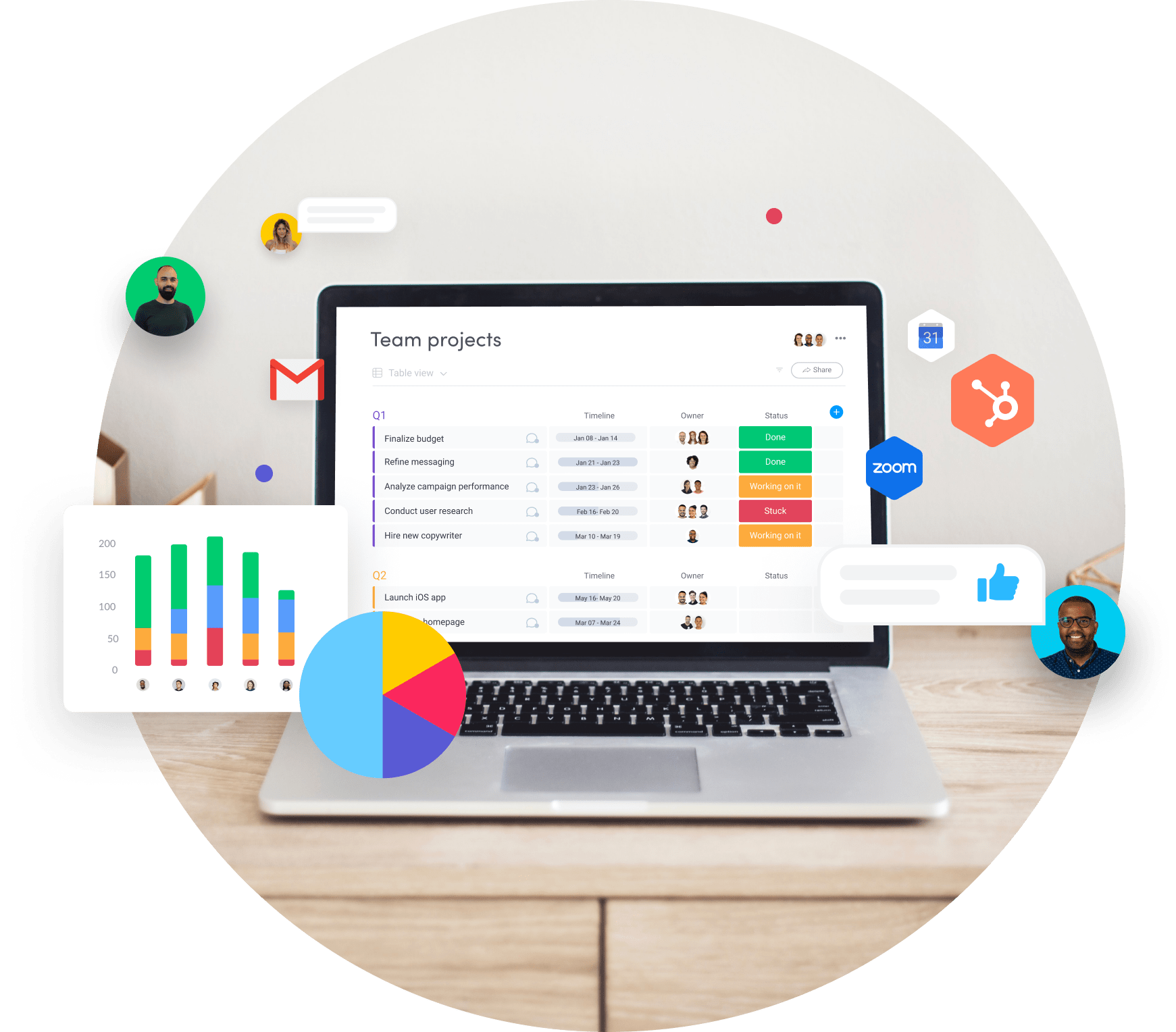
FLEX Sales is a process of booking and blocking rooms in advance or upon arrival for prospective guests. The Sales module provides detailed information about the guests occupying your hotel, including arrival and departure dates, number of people, and more. This module also provides any information related to the room and its booking as well as tools for sales forecasting, pipeline management, lead management, campaign tracking and analytics.The system also provides tools for customer segmentation, customer segmentation analysis,and marketing automation.
Hotels offer various room categories to cater to different guest needs, such as standard rooms, deluxe rooms, suites, and family rooms. Each category varies in size, amenities, and price, allowing guests to choose based on their preferences and budget.
Room categories may also include options like ocean view, city view, or garden view, depending on the property. Understanding these categories ensures you select the room that best suits your requirements for a comfortable and enjoyable stay.
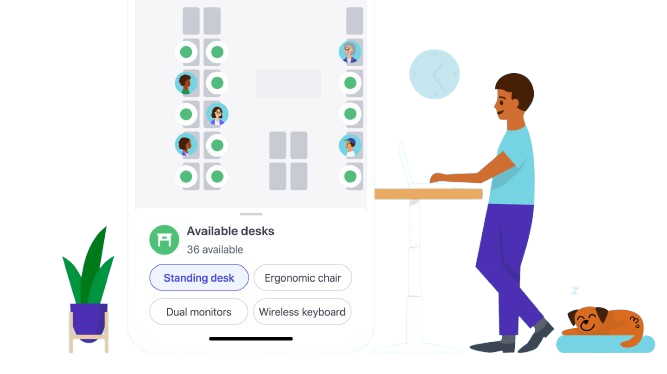
This option allows you to select a particular room within a hotel based on your preferences or needs. Hotels often provide details such as room availability, specifications, and pictures on their websites or booking platforms, enabling you to make an informed choice.
Choosing a specific room is ideal if you have particular requirements, like a scenic view, a specific bed size, or unique amenities. While it offers greater control over your stay, availability may vary. Booking early is recommended.
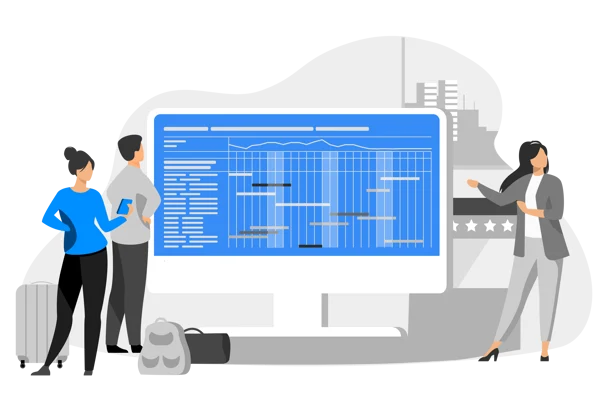
This view provides a visual representation of the hotel’s room availability over a specified time period, typically displayed as a chart or grid.
Each room type or individual room is represented in rows or columns, and the cells indicate the status of each room (e.g., available, occupied, reserved, or out of order). This helps hotel staff quickly assess room availability at a glance.
Many hotel booking websites allow users to make a reservation with just a few key pieces of information, such as the desired check-in and check-out dates, the number of guests, and the choice of room type.
Additional details like guest names and contact information may be requested later during the check-in process.If you prefer to use a third-party booking platform (e.g., Booking.com, Expedia, Airbnb), the process is quite similar. You’ll need to provide the same basic information, and you may have the option to pay in advance or upon arrival, depending on the platform and hotel’s policies.
In the hospitality industry, rate management involves setting and adjusting the prices of rooms or accommodations. This process is typically influenced by factors like demand, seasonality, local events, and competition. Effective rate management can help hotels maximize revenue and occupancy.
In the context of IT and technology, rate management may refer to managing the rates or frequencies at which data is transmitted, processed, or sampled. This can be crucial for optimizing network performance and data processing.
Market segment management in the hotel industry is a strategic approach that involves identifying, targeting, and serving specific customer segments with tailored marketing strategies and services.
By dividing the market into distinct segments based on characteristics such as demographics, behavior, needs, and preferences, hotels can optimize their resources, increase revenue, and enhance guest satisfaction. Here are key elements and steps involved in market segment management for hotels:
Start with a brief introduction that highlights your hotel’s name, location, and a compelling tagline.Include essential details such as the hotel’s star rating, the number of rooms, and any special features (e.g., spa, restaurant, conference facilities).
Managing a company profile for your hotel is an ongoing process. It’s essential to continually update and improve your profile to stay competitive and attract potential guests and partners.
In hotels, resorts, and Airbnb, guest profile management involves creating and maintaining guest profiles that include personal information, preferences, and booking history. This information helps staff provide personalized services and improve the guest experience.
Social media platforms allow users to create and manage their profiles. Users can update their information, add profile pictures, and manage privacy settings. Some platforms also support group profiles or pages for organizations, businesses, or interest groups.
Reservation systems, whether they’re used in hotels, airlines, restaurants, or other industries, aim to streamline the booking process, minimize disruptions, and optimize resource allocation. They often incorporate features like real-time availability updates, integration with payment gateways, reporting and analytics, and customer communication to enhance the overall experience for both businesses and customers.
Reservation systems often have policies in place to address no-shows. This may involve charging a fee, marking the customer as a no-show in the system, and releasing the reserved resource (e.g., a table or room) for other potential customers.
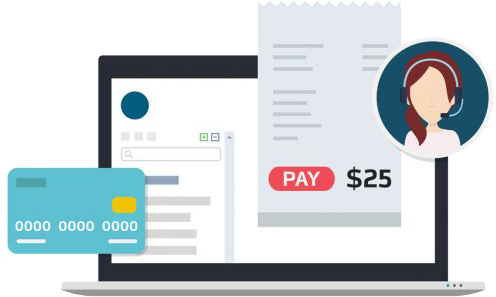
Your booking will only be confirmed once we receive the full payment. If you have any questions or need assistance with the payment process, please do not hesitate to contact our customer support team at Customer Support Email/Phone Number.
We value your business and are committed to providing you with a seamless experience. If you have any special requests or specific requirements related to your booking, please let us know, and we will do our best to accommodate them.
Statistics refer to the collection, analysis, interpretation, presentation, and organization of data. It involves using mathematical and analytical methods to draw meaningful insights from data.
Overall, reservation charts, waitlists, and statistics play crucial roles in efficiently managing and optimizing the allocation of resources and services in various industries, ensuring a better customer experience and business efficiency. Modern technology and software applications are often used to automate and streamline these processes.
A “Release Reservation Policy” typically refers to a set of rules and guidelines established by an organization or entity to govern the process of releasing reserved items, services, or accommodations.
Such policies are commonly seen in various industries, including hospitality, transportation, and event management. The specific details of a release reservation policy can vary widely depending on the nature of the business and its requirements. Below, I’ll outline some general principles and elements that might be included in a release reservation policy:
Certainly! Statistics related to sales, collections, and bookings are crucial for businesses to track their financial performance and make informed decisions. Here’s an overview of each of these categories:
Tracking and analyzing these statistics can help businesses make data-driven decisions, optimize their operations, and improve their financial performance. Depending on the nature of your business, you may need to customize these metrics to suit your specific needs and industry.
Creating an interactive and real-time dashboard typically involves several components and technologies. Here’s a high-level overview of the steps and technologies you might use to build such a dashboard:
Remember that the specific technologies and tools you choose may vary depending on your project requirements and preferences. Building an interactive and real-time dashboard is a complex task, but with careful planning and the right technologies, you can create a powerful tool for data visualization and decision-making.
Get the latest insightful articles and resources to help you run a more modern business.
©2025 Flex Infotech Limited. All rights reserved | Privacy Policy and Security Policy