SPA/SALON
A spa is a place devoted to enhancing overall well being through a variety of professional services that encourage the renewal of mind, body, and spirit. With our spa module, hotels can make appointments for any services requested by their clients and generate all related bills. Our spa module provides a unique opportunity to provide guests with a truly rejuvenating experience.
Appointment/Booking
- Choose a spa/salon based on recommendations, reviews, or their online presence (website/social media).
- Check availability for your preferred date and time.
- Use online booking systems found on the spa/salon’s website or third-party platforms, often featuring a “Book Now” or “Appointment” button.
- Fill in personal details (name, contact, service type) and confirm your appointment.
- Receive confirmation via email/SMS with booking details and any additional instructions.
Client Management
- Identify new clients through marketing, advertising, and lead generation efforts.
- Attract clients by offering value propositions tailored to their needs.
- Onboard new clients by setting expectations, explaining your products/services, and making them feel welcome.
- Provide personalized service to ensure clients understand how to use your offerings effectively.
- Maintain regular communication to build trust, address concerns, and strengthen the client relationship.
Online Booking & Payment
- Convenient online booking systems allow customers to schedule appointments or reservations at their convenience (e.g., healthcare, restaurants, spa treatments).
- Automated confirmations and reminders are sent to clients, reducing the chances of no-shows and ensuring preparation.
- Payment integration enables customers to pay online securely, streamlining the booking and payment process.
- Real-time availability ensures customers can choose the most suitable time slots without conflicts.
Service and Package Management
- Service Definition: Clearly outline the services your business offers, including details on scope, pricing, and any service level agreements (SLAs).
- Package Management: Bundle services into packages for better value and convenience, and ensure pricing reflects the value provided.
- Efficient Scheduling: Optimize scheduling by considering factors like location, personnel availability, and urgency to ensure timely service delivery.
- Dispatch Management: Coordinate service personnel efficiently to match the customer’s needs and availability, minimizing delays.
Create/Edit Bill
- Choose a Platform: Use software like Microsoft Word, Google Docs, or a dedicated invoicing tool to create a bill template.
- Design the Template: Include necessary details such as the recipient’s name, billing date, due date, itemized products/services, and pricing.
- Naming Convention: Save the bill using a clear naming format such as “Invoice_[BillNumber]_[Date]” for easy identification and tracking.
Split/Transfer Billing
- Shared Living: In shared living situations, divide bills like rent, utilities, and other shared expenses. Each person is responsible for paying a portion of the total bill.
- Family Plans: Many service providers offer family plans (e.g., mobile, streaming, insurance), where multiple family members can share the cost of a single plan. Each member is accountable for their share of the bill.
Multiple Settlement Options
- Lump-Sum Payment: A one-time payment where the full amount owed is paid in a single transaction, such as a legal settlement or annuity.
- Periodic Payments: Instead of a lump sum, you can choose to receive payments in installments over a specified period, like with lottery winnings or structured settlements.
Cancel/Complimentary Option
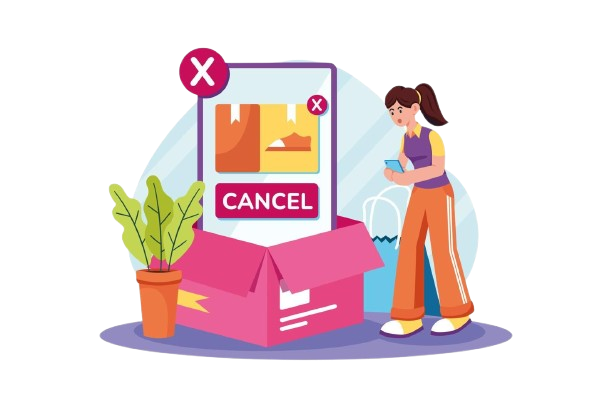
Cancellation Process: Contact the spa or salon using the details from their website or your appointment confirmation. Clearly state your intention to cancel and provide necessary booking details, such as your name, appointment date, and reference numbers.
Complimentary Options: If you are inquiring about a complimentary service, explain your request clearly. Make sure to include relevant details to help them locate your booking and address your inquiry.
Cashiering and Shift
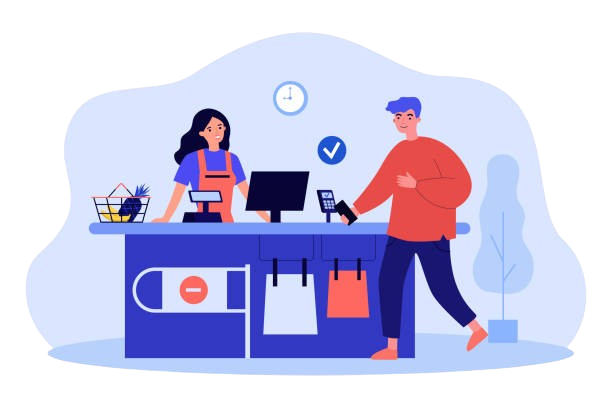
Customer Interaction: Cashiers should maintain a friendly and helpful attitude, addressing customer questions, concerns, and providing assistance as needed.
Shift Work: Cashiers follow a predetermined schedule, which could include morning, afternoon, evening, or overnight shifts. The schedule is determined by the business’s operating hours.
Day Closing
Recording Transactions: All sales, returns, exchanges, and discounts are logged in the business’s accounting system or software.
Generate Reports: At day’s end, generate financial reports such as sales summaries and transaction logs to evaluate daily performance.
Realtime Inventory
Technology Use: Real-time inventory management utilizes barcode scanners, RFID tags, and inventory management software to track product movements.
Instant Updates: As products are received, sold, or transferred, inventory levels are updated immediately.
Financial Reporting: The real-time data supports accurate inventory valuation for accounting and tax reporting.
Loyalty and Rewards Program
Points System: Customers earn points for purchases or actions like referrals, reviews, or sign-ups.
Rewards Redemption: Accumulated points can be exchanged for rewards such as discounts or products.
Exclusive Discounts: Loyalty members may receive special offers, encouraging repeat purchases.
Reporting and Analytics
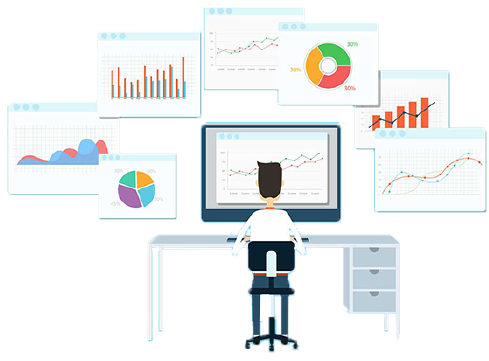
Data Collection: Gather data from sales, customer interactions, website traffic, social media, etc.
Data Storage: Store the collected data in databases or data warehouses.
Data Cleaning: Clean and preprocess raw data to remove errors, duplicates, and inconsistencies for accurate analysis.
Dashboard View
Scheduled Appointments: Display a summary of appointments for the day, week, or month, including date, time, and services booked.
Outstanding Payments: Show information on overdue invoices and payments.
Booking Insights: Provide insights into peak booking times and days of the week for better resource planning.